



%20copy.svg)



.svg)















.svg)

The Great Migration

One of the Seven New Wonders of the World

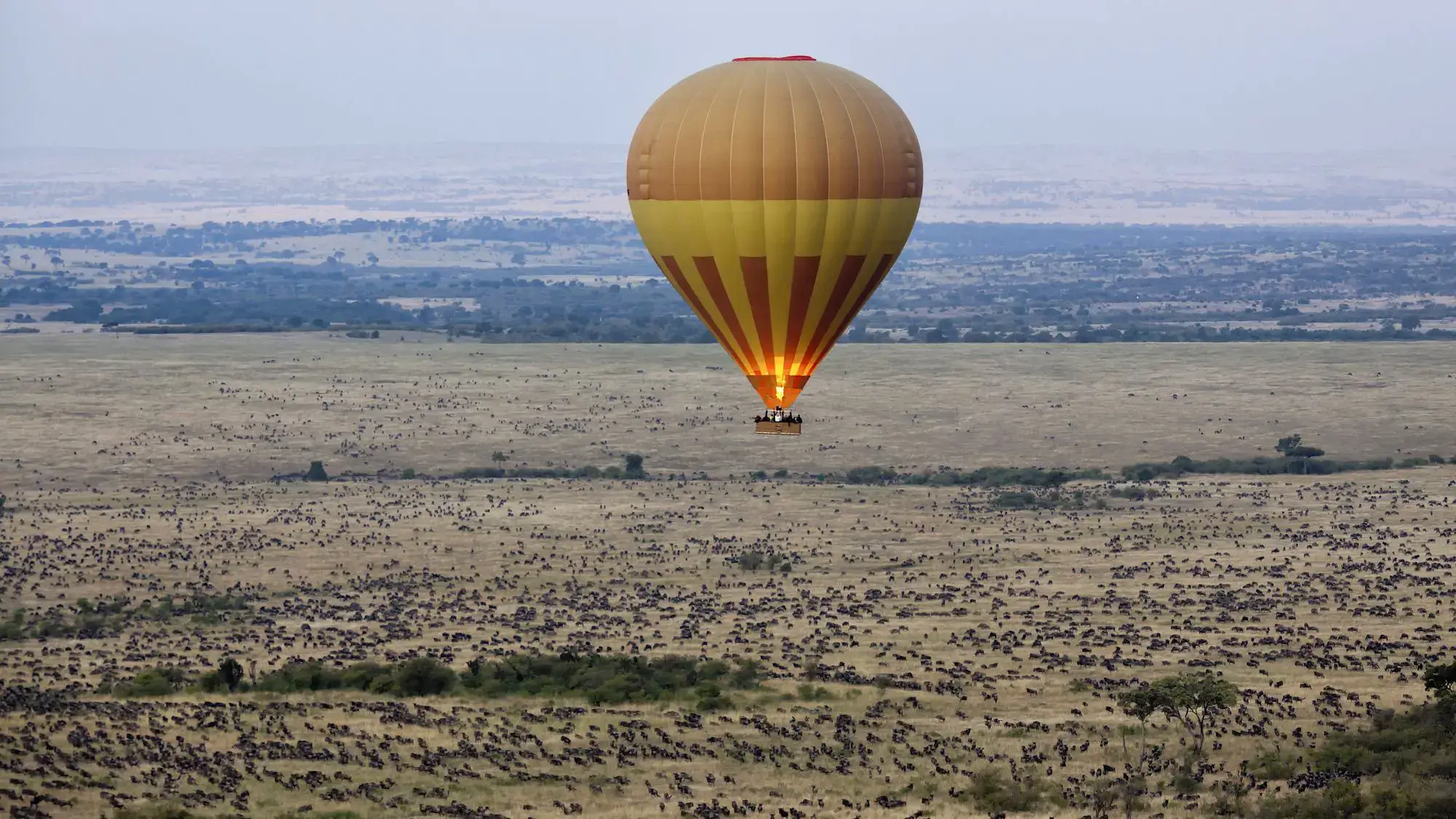
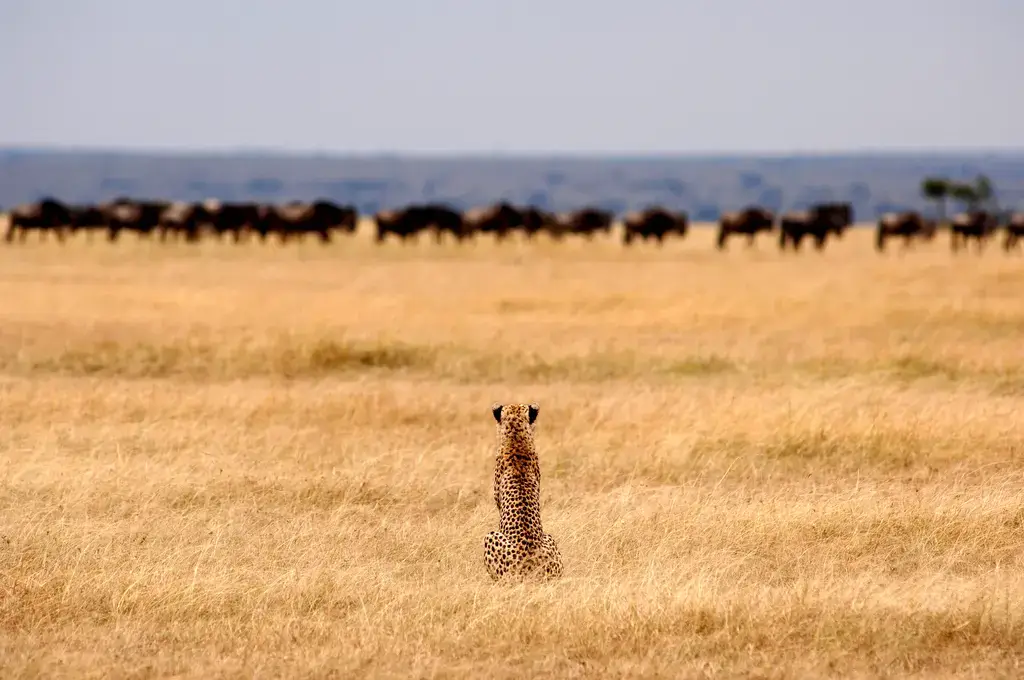
The Great Migration is one of the world’s most incredible natural occurrences. Every year, nearly 1.5 million wildebeest and 300,000 zebra make the long trek from Tanzania’s Serengeti to Kenya’s Masai Mara.


Seeing a wildebeest river crossing during the migration is a once in a lifetime experience. Being in the right place at the right time, staying at the right camp, is key. We are here to help.
A Month By Month Guide
Due to varying weather conditions and other factors, the Great Migration can differ in its location at any time of the year. A general prediction for the migratory pattern can be summarised as follows:
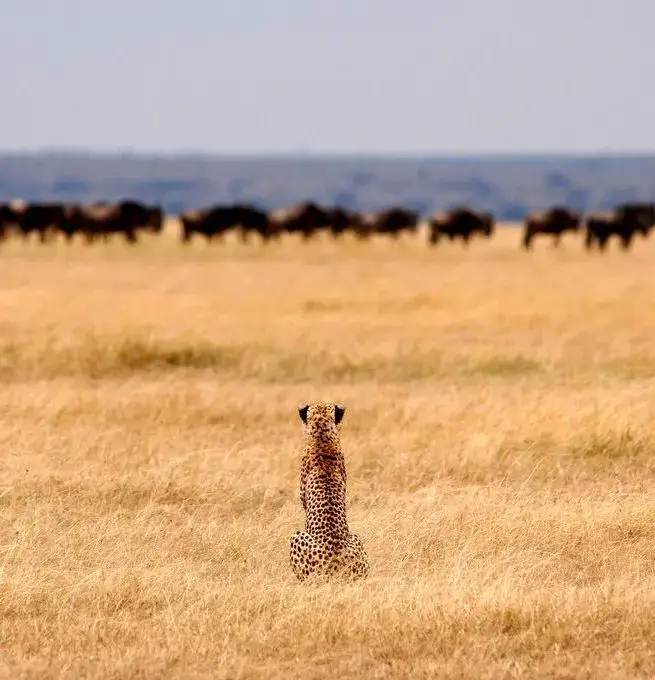
January to March: The herds of wildebeest are found in the southern Serengeti on the green, nutritious short-grass plains, ready for calving season. Tens of thousands of calves are born within weeks, drawing in lions, cheetah and hyena, making this a period of intense predator action and warm, vibrant landscapes.
April & May: The herds begin moving north towards the Moru Kopjes and Seronera regions. This is a wetter time of year, when you can take advantage of low-season rates. The long rains turn the plains lush, and the herds spread widely.
June: The herds gather in the Western Corridor and start crossing the Grumeti River. These crossings can begin as early as May. The dry season is setting in, so wildlife begins concentrating closer to permanent water sources.
July: The herds push further north towards the Mara River for the first crossings. This is a peak migration month, with large columns of wildebeest and zebra funneling through the northern Serengeti.
August: The herds move into the far Northern Serengeti. This is when the famous Mara River crossings occur most reliably, with dramatic scenes as the herds choose when and where to cross while predators wait nearby.
September: The herds graze in the far north of the Serengeti and spill into the Masai Mara. This is one of the best times for migration viewing, with large numbers dispersed across the Mara plains.
October: The herds finish grazing in the Masai Mara and begin to turn south as the first short rains arrive. River crossings can still occur, and the landscapes start to green up again.
November: The herds continue heading south through the eastern edges of the Serengeti. Short rains bring fresh grass, encouraging quick movement and offering a quieter, good-value time to travel.
December: The herds move further south towards Ndutu in search of new growth, and the cycle restarts. Calving is imminent, predators become more active, and the festive season brings a lively atmosphere to the parks.


Start planning your tailor-made holiday
Speak to one of our travel specialists


Get Inspired



































































%20copy%203.svg)